Lamlingo Outdoor Heated Cat House Review (Winter 2026): A Warm, Weatherproof Shelter for Outdoor & Community Cats
The Lamlingo Outdoor Heated Cat House delivers practical winter shelter for outdoor, community, and barn cats with weatherproof design, dual escape exits, and included heating pad—but only truly protects when installed in a covered, dry location and paired with vigilant cold-safety monitoring.
When winter hits hard, outdoor cats don't just feel "a bit chilly"—they can face real cold-related risks if they're exposed for long periods, especially in freezing temperatures. The Lamlingo Outdoor Heated Cat House is designed as an insulated, weatherproof outdoor shelter that includes a heating pad and escape door—features that can make a meaningful difference for community cats, barn cats, and outdoor strays when used safely.
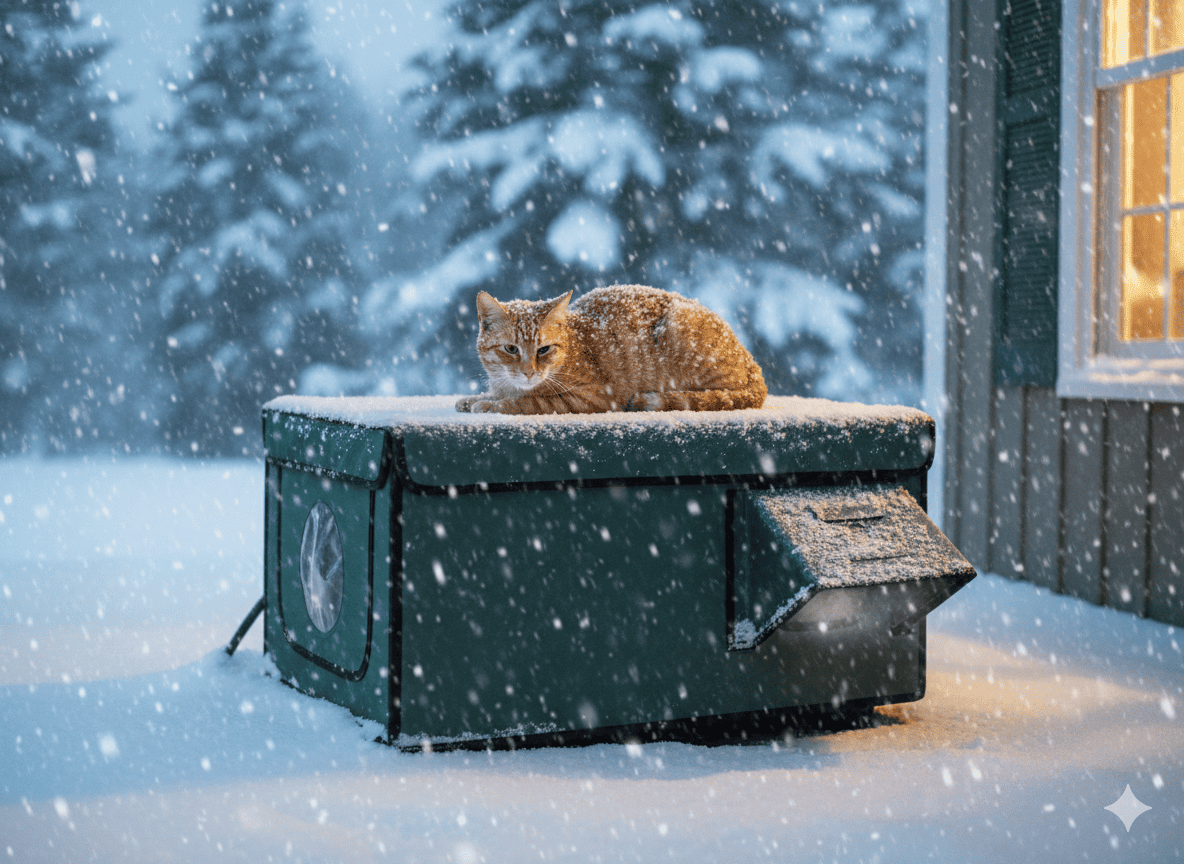
Quick product snapshot
- Product: Lamlingo Outdoor Heated Cat House (winter outdoor heated cat shelter)
- Use case: Outdoor/stray/community/barn cats; porches, balconies, barns, gardens (protected placement recommended)
- Key features: Insulation layers, waterproof eaves, two exits/escape door, damp-proof base, openable roof, camera brackets (camera sold separately), included waterproof heating pad (listed as UL-tested by seller)
- Colors: Dark Grey, Dark Green (varies by listing)
- Price: Starting from $107.29 USD
- Note: Heating + electricity must be set up responsibly to avoid moisture and cord hazards.
Why winter shelter matters (beyond "comfort")
AAHA warns that all pets—even those with thick coats—are vulnerable to freezing temperatures, and pets left outside for extended periods are at risk for hypothermia and frostbite. Frostbite most often affects areas with less fur (ears, tail, paws, nose), and hypothermia can become life-threatening if a pet's body temperature drops too low.
ASPCA's rule of thumb is simple and practical: if it's too cold for you, it's probably too cold for your pet—so keeping animals inside is safest whenever possible. But when "inside" isn't an option (community cats, barn cats, a stray you're supporting), your goal becomes reducing exposure, keeping them dry, and offering a warm sleeping spot away from drafts and cold ground.
Who this heated cat house is best for
This shelter makes the most sense when you're caring for cats who spend time outdoors in winter and need a consistent, dry, warmer-than-ambient place to rest.
- Community/TNR cats: Cats that won't come indoors but reliably return to a feeding area.
- Barn or farm cats: Cats living around barns, sheds, stables, or rural properties.
- Outdoor "regulars" on porches/patios: Friendly strays or neighborhood cats you're supporting during cold snaps.
Not ideal: If your cat is fully indoor, a heated outdoor shelter is usually unnecessary—focus instead on a warm indoor sleeping area off the floor and away from drafts, as ASPCA recommends.
Lamlingo features that matter in real winter conditions
1) Weatherproof design + eaves (rain management)
Lamlingo lists waterproof eaves designed to improve overall rain protection, helping keep water from entering through the doorway. In winter, "dry" is almost as important as "warm," because damp bedding and cold air together can become dangerous fast.
2) Two exits (escape door) for safety and adoption
The listing emphasizes two exits to provide escape routes, which can help outdoor/feral cats feel less trapped and more willing to use the shelter. Practically, this also reduces panic if another animal approaches, which matters in neighborhoods with raccoons, loose dogs, or wildlife pressure.
3) Included heating pad (but only safe with smart placement)
The product includes a waterproof heating pad described by the seller as UL-tested, made with flame-retardant material and a chew-proof cord. Even with these claims, AAHA's cold-safety guidance still applies: monitor pets closely, limit exposure to harsh conditions, and keep setups safe—especially where electricity and moisture mix.
4) Openable roof for cleaning (underrated benefit)
The roof opens for easier cleaning, which is a big deal for community-cat setups—dirty shelters can be avoided by cats and can attract pests.
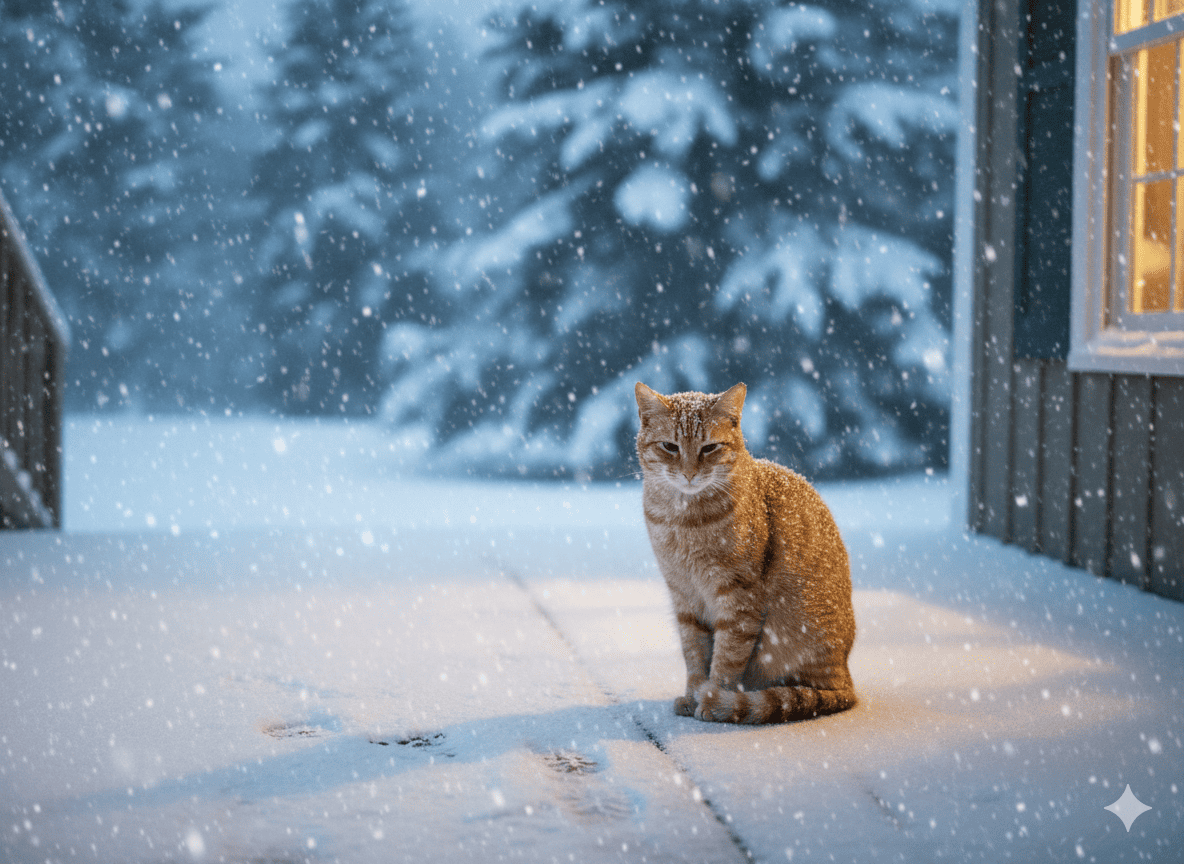
How to know your cat is "too cold" (simple signs to watch)
Winter decisions are easier when you know what "risk" looks like. AAHA notes that frostbite and hypothermia are the two major cold-related dangers to recognize.
- Possible frostbite: Shivering, skin discoloration, swelling, and pain when the area is touched (commonly ears, tail, paws, nose).
- Possible hypothermia (early): Shivering, weakness, pale or cool skin.
- Possible hypothermia (worsening): Lethargy, confusion, shallow breathing, slow heart rate—seek veterinary guidance urgently.
Safety note: If you suspect frostbite, AAHA recommends bringing the pet indoors immediately and gently warming the affected area with warm (never hot) water, avoiding rubbing or massaging, and seeking veterinary care as soon as possible. If you suspect hypothermia, AAHA advises moving the pet inside, wrapping in warm blankets, warming gradually (warm—not hot—water bottles wrapped in towels), and contacting a veterinarian promptly.
Installation guide (the difference between "helpful" and "hazard")
A heated shelter only works if it stays dry and stable—and if you manage winter hazards around it. Use this setup checklist to keep things safe and effective.
Step-by-step placement checklist
- Choose a covered location: Place it on a covered porch, balcony, or under an overhang to reduce direct rain/sleet entry.
- Keep it off cold, wet ground: Elevate it slightly on a stable platform (wood panel, paver base, sturdy mat) so it's not sitting in runoff or puddles.
- Block wind without sealing airflow: Position the back toward prevailing wind, keeping entrances usable and visible to cats.
- Manage cords responsibly: Route cords where water won't collect and where animals can't chew them, even if the listing claims a chew-proof cord.
Winter hazard precautions (non-negotiable)
- Antifreeze cleanup: ASPCA warns antifreeze spills must be cleaned thoroughly because antifreeze is lethal to dogs and cats.
- Ice-melt chemicals: ASPCA notes ice-melting agents can be dangerous when pets lick chemicals off paws—keep the shelter area free of salt/ice melt whenever possible.
- Warm sleeping setup: ASPCA recommends a warm place to sleep off the floor and away from drafts; treat your outdoor placement with the same logic (dry, draft-reduced, insulated).
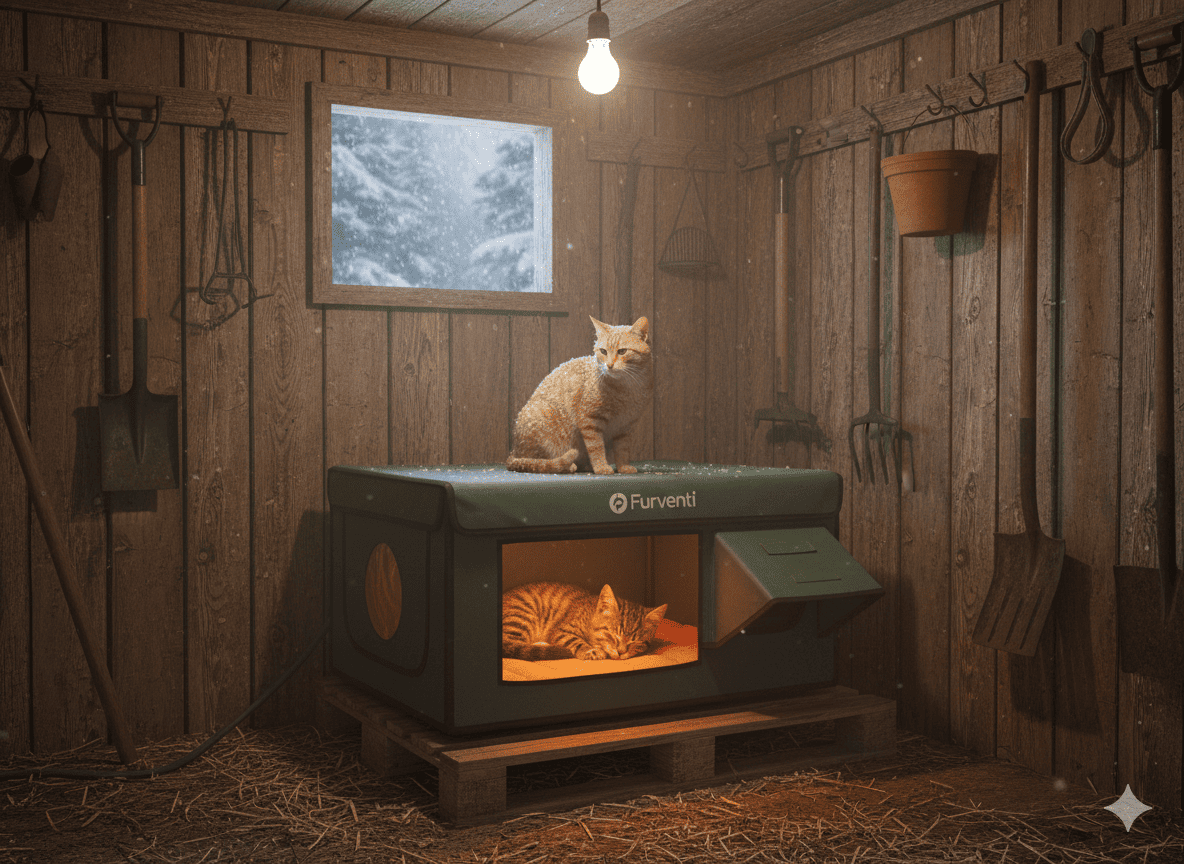
Real-world pros and cons (honest verdict)
What's genuinely strong
- Designed for outdoor winter use with insulation + weatherproofing features like eaves.
- Two exits can improve safety and increase the chance feral/community cats actually use it.
- Included heating pad (seller states waterproof and UL-tested), which can help during freezing nights when safely installed.
- Openable roof supports regular cleaning—key for long-term use.
What to watch out for
- You still need safe winter practices: limiting exposure and recognizing hypothermia/frostbite signs matters even with a shelter.
- Electric heat and winter moisture don't mix—placement under cover and cord management are essential.
- Outdoor shelters can attract other animals; avoid leaving food inside if it draws pests (use treats for training, not permanent feeding inside).
- "Weatherproof" isn't "floodproof"—elevate and protect from standing water.
Buying tips: size, comfort, and winter strategy
Choose a size that lets the cat enter easily, turn around, and curl up without feeling cramped. For colder areas, remember the balance: too small can deter use; too large may retain less warmth—so prioritize the cat's willingness to enter and stay.
Finally, keep the bigger principle in mind: ASPCA emphasizes that in serious cold, keeping animals inside is safest whenever possible. A heated shelter is a powerful "Plan B" for outdoor cats—not a reason to ignore extreme weather warnings.
FAQ
Is it safe to leave a heated shelter outside all winter?
It can be safer when installed correctly (covered placement, dry base, protected cord routing), but you should still monitor conditions and the cat's behavior, and watch for cold-related issues like hypothermia or frostbite.
What if the cat refuses to go inside?
That's common with community cats; use gradual introduction with treats and a calm, consistent placement, and keep the shelter clean and dry so it stays inviting.
What's the biggest winter danger people forget?
ASPCA highlights chemical hazards like antifreeze and ice melts—pets can be poisoned when they lick chemicals off paws or ingest spills, so cleanup and prevention are critical.
Was this helpful for your pet care journey?