Aloka “the Peace Dog”: A Real Rescue Story That Quietly Changes People
A real-life story of Aloka, a rescued dog who became a symbol of peace by walking alongside Buddhist monks during the U.S. “Walk for Peace,” and what his journey—including injury and recovery—teaches about compassion and consistency in rescue.
Aloka “the Peace Dog”: A Real Rescue Story That Quietly Changes People
What does it take for a stray dog to become a symbol of peace?
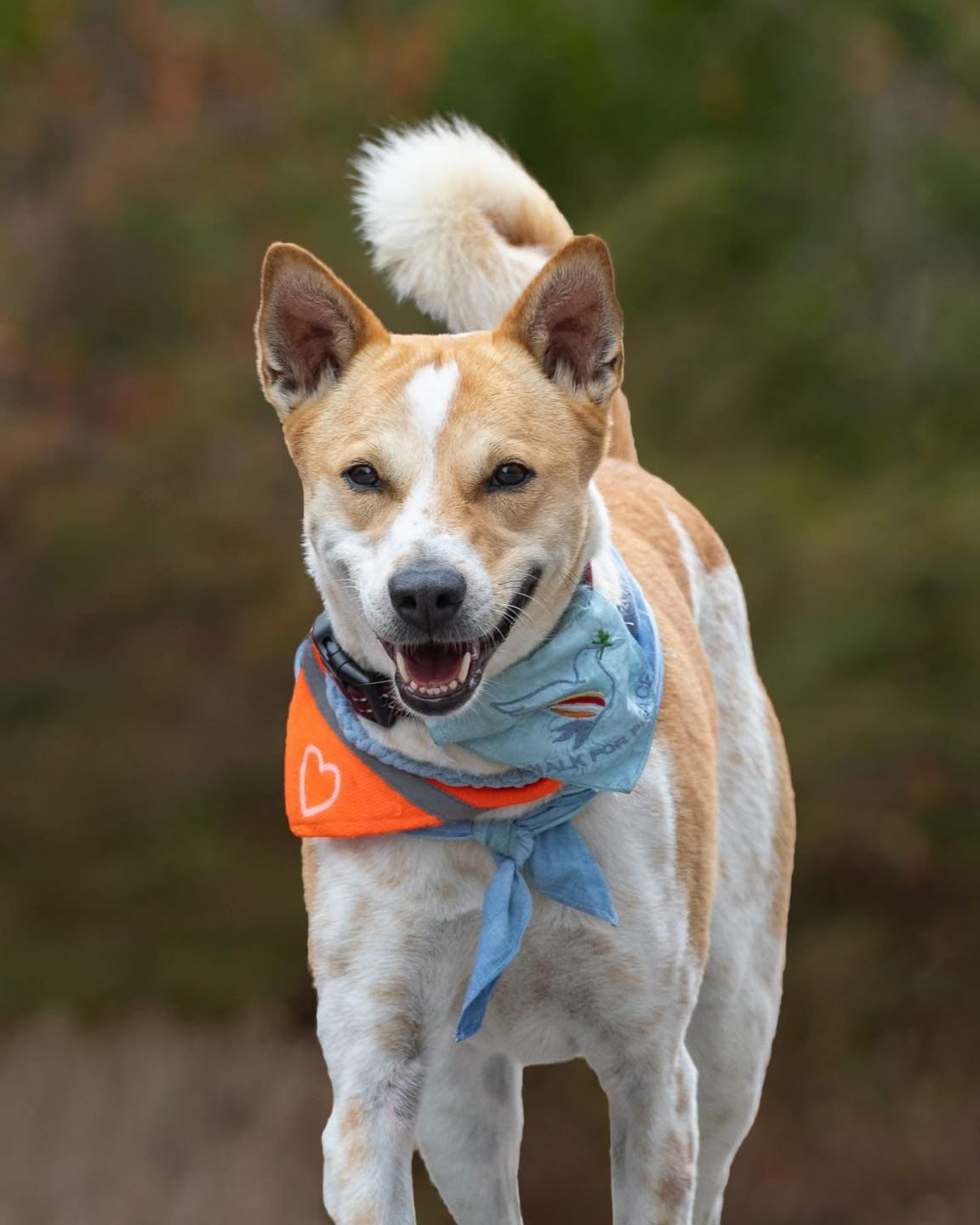
Photo credits: Aloka the Peace Dog
A quiet story with a loud meaning
Aloka—often called Aloka the Peace Dog—became widely known in 2025–2026 for walking alongside Buddhist monks during the “Walk for Peace” across the United States.
This story hits close to home because it reminds me of my own dog, Nairobi. We adopted her from a shelter when she was around a year old.
And “But here’s the thing…” the part that stays with you isn’t the headline or the viral posts—it’s the steady choice to show up for a dog who needed a second chance.
Who Aloka is (and why people remember him)
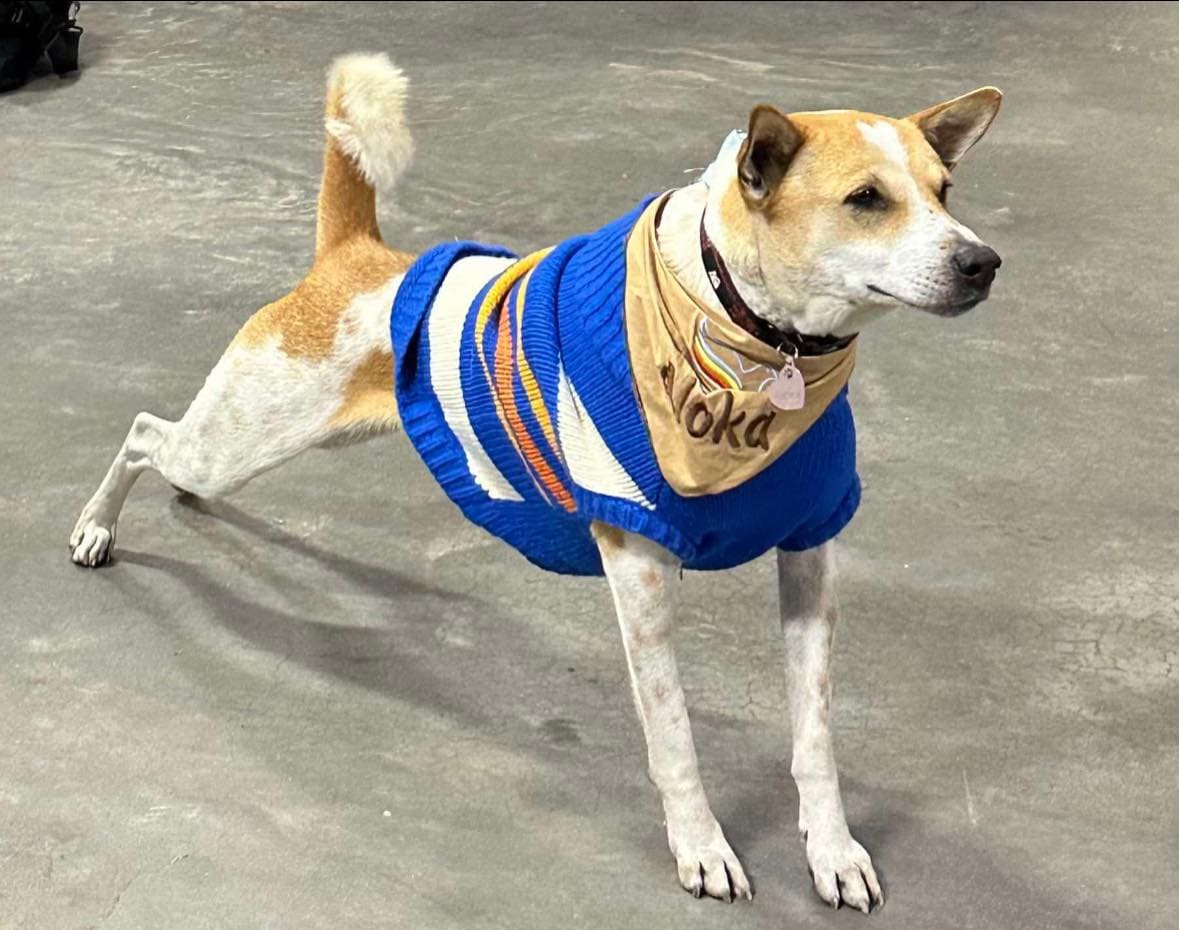
Aloka is described as a rescue dog of Indian origin, believed to be a pariah dog, who was originally living as a stray.
According to the monks’ account, he began following them during a peace pilgrimage in India in 2022 and, despite severe setbacks—including being hit by a car and becoming seriously ill—he repeatedly rejoined the group.
He’s also recognizable for a heart-shaped marking on his forehead, which became part of why people instantly remember him.
The Walk for Peace: care in motion
The “Walk for Peace” began on October 26, 2025, when about 19 Buddhist monks from the Huong Dao Vipassana Bhavana Center in Fort Worth, Texas, set out on a roughly 2,300-mile walk to Washington, D.C.
The walk is described as a long-distance pilgrimage meant to promote peace, compassion, and nonviolence, with the monks documenting their journey on social media.
Aloka has traveled alongside them—sometimes walking and other times riding in a support vehicle when needed—because real care includes real limits.
When inspiration meets reality: Aloka’s injury
In early January 2026, Aloka was diagnosed with a leg injury while accompanying the monks during the Walk for Peace in South Carolina.
On January 12, 2026, the issue was described as a tear in the cranial cruciate ligament (CCL), and the treatment required a TPLO procedure.
His recovery plan included restricted mobility, with guidance such as walking no more than 10 minutes at a time (up to six times per day during the first week), then gradually increasing activity.
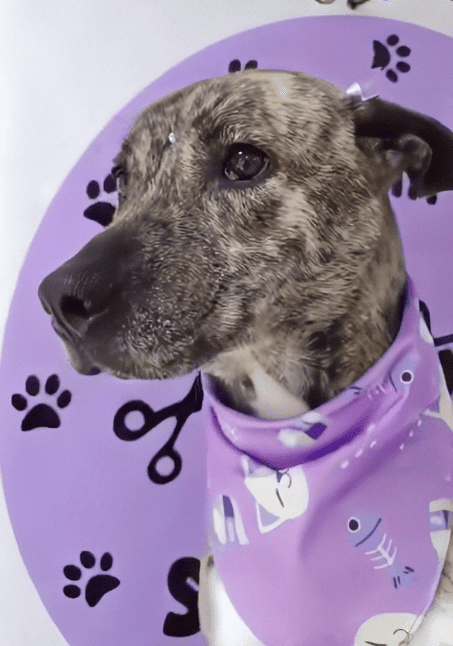
Photo credits: Aloka the Peace Dog
What rescue quietly teaches (Nairobi, too)
Now here’s where Aloka reminds me of Nairobi: rescue isn’t a “perfect” story—it’s a daily practice.
A rescued dog doesn’t need a grand moment; they need consistency, safety, and humans who don’t disappear when things get inconvenient.
And when a former stray becomes “the Peace Dog,” it’s not just about how special the dog is—it’s about what can happen when someone chooses compassion and follows through.
Sources
- Wikipedia: Aloka (dog): https://en.wikipedia.org/wiki/Aloka_(dog)
- Facebook: https://www.facebook.com/Alokathepeacedog/
- Instagram: https://www.instagram.com/alokathepeacedog/
Was this helpful for your pet care journey?